

Tap a product from your home, and receive that at your doorstep shortly. Online shopping has become that easy. An estimation says, by 2040, 95% of overall purchases around the world will be made over the internet.
For online shopping, e-commerce websites are among the most popular choices. Through e-commerce websites, customers can easily find their desired products, and sellers can also target customers without any inconvenience.
What is an E-commerce Website
An E-commerce website is an online store where you can purchase/sell products or services. Unlike a physical store, an e-commerce store operates fully over the internet. The word “E” stands for “electronic”, and the term e-commerce means electronic commerce, where consumers purchase digitally.
A seller can use an e-commerce website as a virtual store to showcase their products 24/7 to the target customers from the local community to a global reach. At the same time, a buyer can choose their desired goods by accessing sufficient product information and making informed buying decisions from numerous options at their own suitable time.
An e-commerce website provides modern features like multiple payment options, order tracking, and reviews or ratings from other purchasers that give consumers more freedom over their transactions.
What are the Key Features of an E-commerce Website
Every type of website has its features, which make it perfect for what it’s doing. So, what makes an e-commerce website distinct from the other categories? Yes, the key features. Here’s to more:
- Responsive Design: This makes sure the website is accessible on all sorts of devices like mobile, laptop, and computer. This will increase traffic, engagement, sales, a stronger Return on Investment (ROI) with overall business growth, and a higher website ranking.
- User-friendly Navigation: A good UI/UX design is compulsory for an e-commerce website that influences higher conversion rates. An intuitive navigation greets a visitor warmly. With a comforting first impression, along with an easy-to-use system to find the desired items, the website creates a sense of trust in the visitor’s mind. This will not only turn the visitor into a purchaser but also keep them as a trusted repeat client.
- Search Bar: To make navigation easier, the search bar comes in help. An e-commerce website must have advanced search features like autocomplete. With the help of a well-functioning search bar, customers can find products they’re looking for with just a click.
- Sorting and Filtering: This feature also serves to facilitate navigation. As well as, it enhances the performance of the website. Which ultimately drives sales for the business. Also, customers can easily find their targeted products with this feature.
- Product Listing: This is the most fundamental element of any e-commerce website. A virtual store must display products with clear images, prices, and brief details to get quick attention from visitors and convert them into customers. It will help customers if the website lists the product in a systematic manner and ensures a visual appeal.
- Product Description: Customers tend to go for those products that have sufficient specifications and transparency. Here comes the importance of product descriptions. A clear and concise product description increases sales for a particular product, providing a detailed overview of the product before purchase. It also creates a positive brand image for the business.
- Product Reviews: Reviews and ratings are a fundamental element of brand image, and a positive review increases the trustworthiness of a product. Surfing the review section for a certain product, customers can easily make decisions on whether they would purchase it. Therefore, this section is a must.
- Wishlist: Users can easily shortlist products they’re interested in by using the wishlist. This encourages return visits from the user and also boosts conversion. This may make the window shoppers into buyers. Having this feature is also a must.
- Shopping Cart: Shopping carts allow customers to temporarily store the products they intend to purchase. This option makes the checkout and purchase procedure much easier for customers.
- Multiple Secure Payment Options: Customers prefer options for paying for the products; they would like to have more than one available option. This is why an e-commerce website surely needs to have multiple payment options. Make sure the payment options are secure up to the industry standard compliance, like Payment Card Industry (PCI), and Data Security Standard (DSS).
- Quick Checkout: Quick or express checkout is designed for repeat customers. It ensures a fast-paced checkout system. With this, customers do not have to take the trouble of filling out certain forms before checking out every time.
- Call to Action: This feature motivates customers to take certain actions. With the help of CTA’s, customers won’t be wasting their valuable time on navigating aimlessly and wandering with indecision for their purchase. CTA redirects customers directly to the page they need.
- Coupon Codes: Who doesn’t love to purchase things at a discount? Flush Sale, Gift Coupons, Percent-off Coupons, and Free-Delivery Coupons are the most useful coupons to add to an e-commerce website. These options create engagements with the visitor as an advertising campaign and drive them into the loyal customer base in the long run.
- Order Tracking: Online shopping takes a few days to deliver the product to the consumers. This live tracking feature lets customers monitor their order status in real time, which ultimately builds a sense of trust and assurance among customers.
- Customer Support: An e-commerce website must offer an efficient and responsive customer support option to ease the difficulties the customers face and to enhance their shopping experiences. To provide solutions instantly for customer queries, an e-commerce store should have multiple channels, such as live chat, email, and phone support, based on the size of the business. By integrating effective customer support, an e-commerce website can build a long-lasting, loyal customer base and a positive brand identity.
- Return Policy: Often, customers change their minds after receiving the product. So, to sustain in the highly competitive market, an e-commerce website must keep a proper, transparent, and justified return option with a well-defined policy and time frame. Return policy builds customer trust and improves customer satisfaction. Also, it outlines the conditions under which customers can return their purchased product.
- FAQ’s: During online purchase, it’s normal to pop up numerous questions in the customer’s mind. To answer the most generic queries, a categorised FAQ section has to be integrated onto the website, which will reduce the waste of time and encourage buying decisions of the consumers. Otherwise, if the customers lack proper answers regarding the service, they might not purchase from your website, as there are a ton of alternatives.
- Social Media Integration: This feature integrates the website with social media platforms. This brings traffic from the social media platforms, boosts engagement, and promotes your products organically.
What are the Types of E-commerce Websites
If you’re building an e-commerce website, it’s important for you to know about the types first. There is an array of options available. Here’s to more:
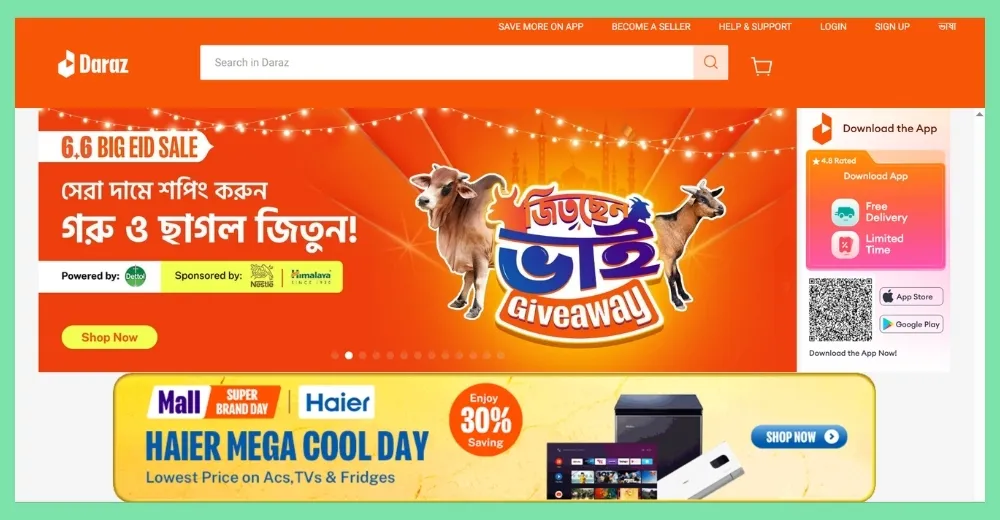
Business-to-Consumer (B2C)
In this type of website, products or services are sold to individual customers directly from the businesses. The purpose of these types of websites is to provide consumers easy access to the products and services.
However, to serve the customers, these types of websites need to be very clear and concise in terms of navigation, design, and user experience. One prominent example of a B2C website is Amazon.
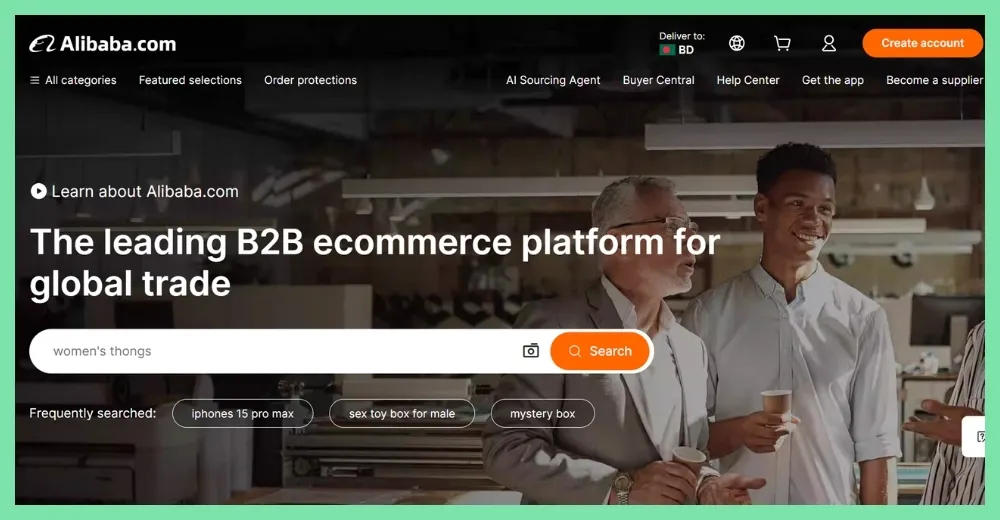
Business-to-Business (B2B)
This specific type connects businesses with other businesses. Implies, B2B websites deal with businesses while being a business themselves. Alibaba is one of the most reliable examples of B2B websites. For bulk purchasing, these are the ideal websites to look at and search for products.
In terms of designing websites like this, some things must be kept in consideration. Such as integration of products’ catalogue, secure login for business accounts, and secure and easy payment options. Last but not least, the user experience also needs to be very handy.
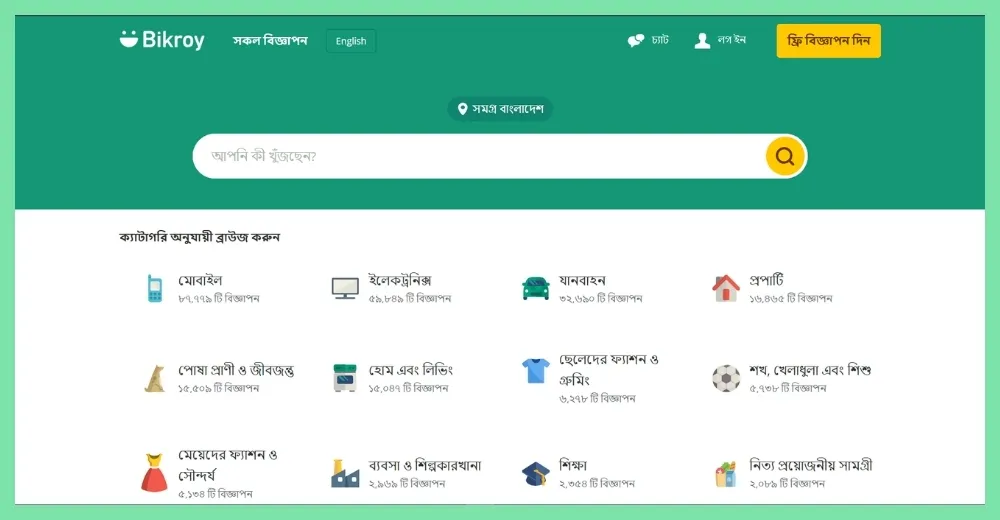
Consumer-to-Consumer (C2C)
These websites allow consumers to sell products to other consumers. Unlike B2B’s, this one doesn’t focus on bulk purchases but heavily emphasises retail businesses. On such platforms as eBay, consumers sell used or hand-crafted products.
The design requirements are very subtle here. Components like user-friendly seller dashboards, built-in messaging, and buyer/seller ratings are the things that need to be on the websites. Additionally, secure payment gateways are must have.
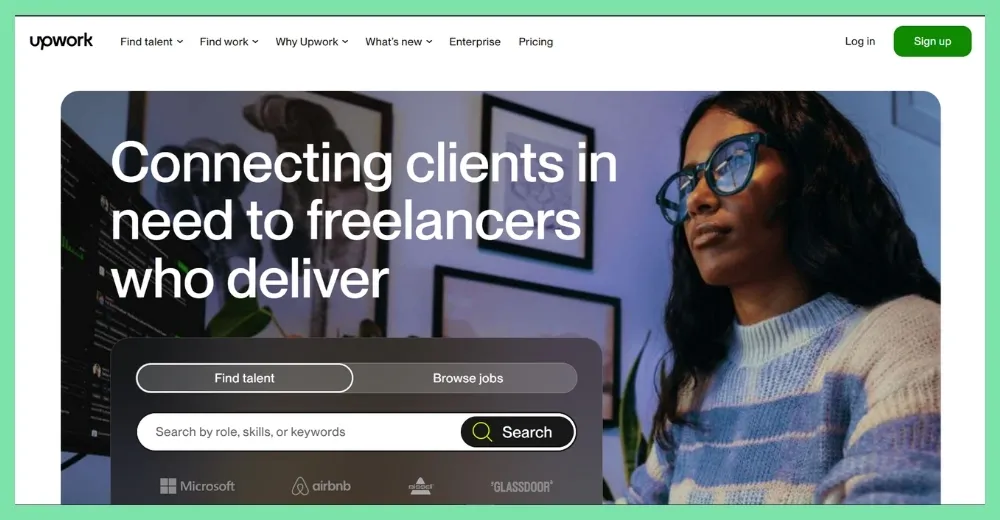
Consumer-to-Business (C2B)
These types of websites allow individual customers to sell their products and services to businesses. For freelancers and service providers who work remotely, this type of website is the best.
Design features have to be very delicate for C2B websites. Portfolios, bidding systems, and customizable profiles should be in the websites for users’ convenience.
Upwork, Fiverr are examples of C2B websites.
Subscription-based E-commerce
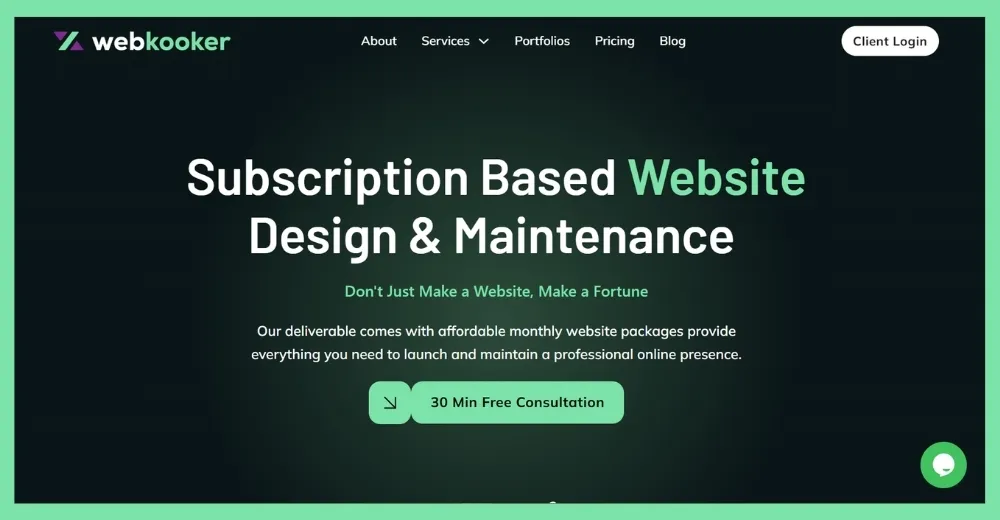
This is another type of website where users have to pay a recurring monthly fee to get going. The main purpose of this type of website is to provide customers with a personalized user experience and consistent values.
Design features as account management dashboards, easy cancellation options, and easy renewal are a must for the following type. Also, they onboard new customers whenever anyone joins.
Direct-to-Consumers (D2C)
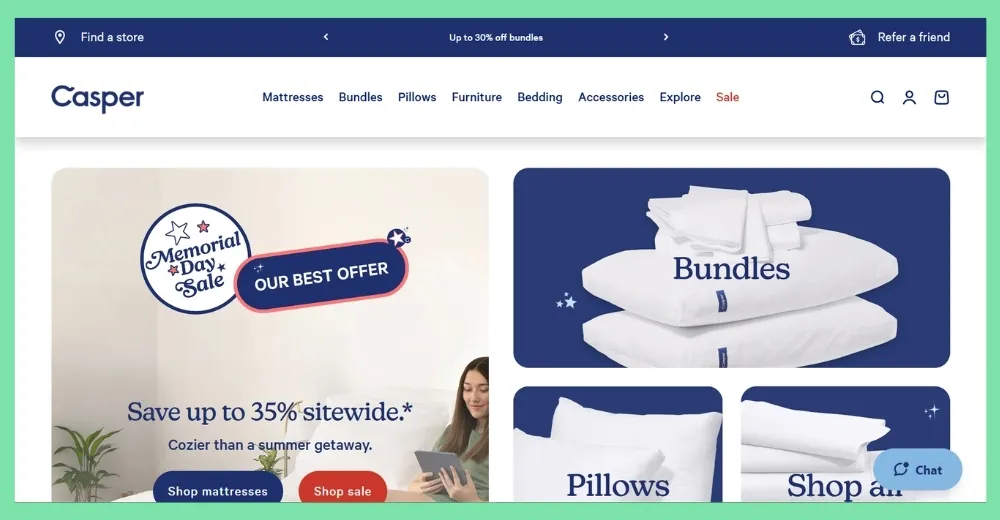
Unlike the other types, this one is dedicated to brands or top-rated manufacturers who intend to sell their products directly to end users. The major purpose of these types of websites is to build transparent relationships with their customers.
Elements like crystal-clear product presentation, pricing are what it needs to have in the design. Also, a strong trace of storytelling, interactive product display, and personalized shopping experience needs to be integrated while building such websites.
Marketplace
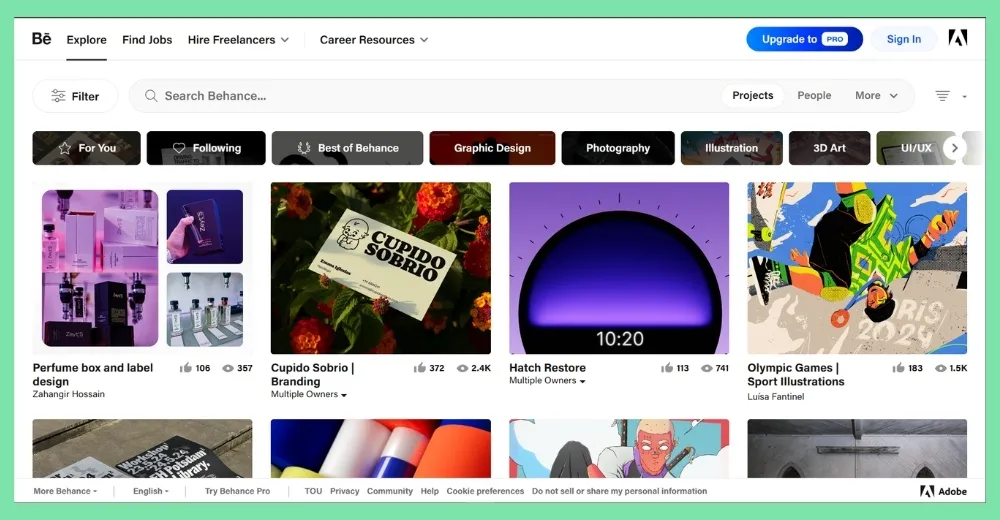
These types of websites allow third-party buyers and sellers to sell or buy their products and services. In most cases, these act as an open area where anyone can come and offer their products and services.
In terms of design, an advanced searching and filtering option needs to be integrated, which is a must. Besides this, secure payment gateways, product descriptions, product reviews, and FAQ sections also need to be there.
Dropshipping
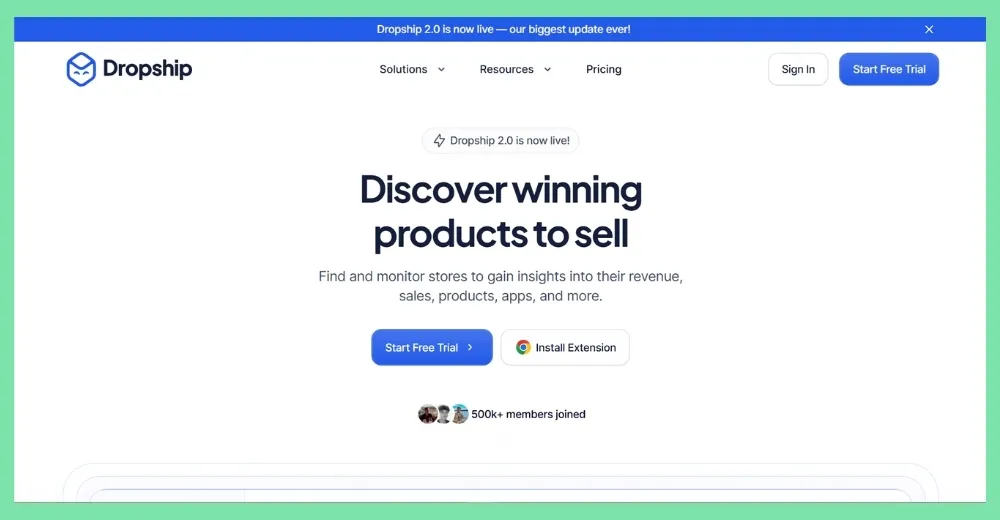
In case you’re not aware of this, dropshipping is a very interesting concept. In a dropshipping business, the seller doesn’t require any physical stock of products. Instead, when the order comes, the seller forwards the order to another third-party who delivers the product directly to the consumer’s door. A dropshipping e-commerce website is responsible for doing exactly this.
Inventory management should be precisely done here. Though it doesn’t have any real-time inventory, still, the products need to be managed sincerely. Along with this, these types of websites require an automatic order forwarding feature.
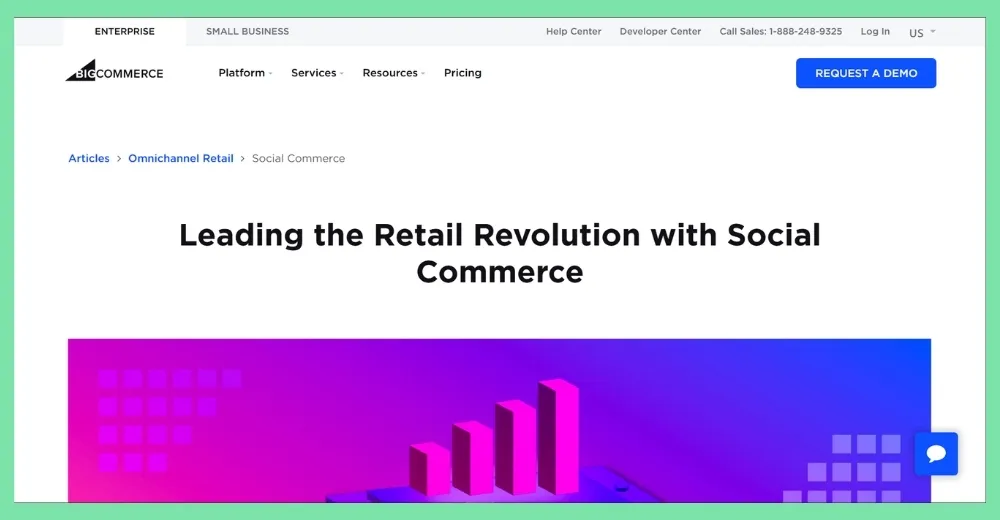
Social Commerce
Have you ever purchased anything from Facebook Marketplace? Yes, that’s exactly an example of a social commerce website. This allows users to purchase things directly from their social media handles without even leaving the app.
Features like in-app checkouts, live shopping features are the most important key elements that need to be integrated into the designs. Visual appeal and mobile optimization are yet other key features for this type of e-commerce.
What are the Benefits of Having an E-commerce Website
Having an e-commerce website can help you connect with your customers most easily. Amongst all the apparent reasons, below are the major ones:
- Increased Reach and Accessibility: This helps open up the market to anyone over the internet. With a stable internet connection, customers are just one tap away from finding your store, regardless they live near you or any other corner of the world.
- Cost Reduction: In comparison to a physical store, running an e-commerce website costs relatively less. Also, this doesn’t require any rent nor utility bills to go forward.
- Convenience for Customers: Customers can easily access the store with the internet and can place and receive orders from their home. They do not need to take the hassles.
- Scalability: You can add as many products as you want, just with a few clicks. Implies, you can scale your business without any additional hassle. This is not possible in terms of a physical store.
- Flexible Payment Options: By incorporating multiple payment gateways, customers can easily pay for the products and services you offer. Incorporating every possible secure banking channel gives you the chance to grab customer bases having varied payment opportunities at their convenience.
- Faster Buying Process: In an e-commerce website, customers only select their products, add those to the cart, and proceed further. There’s nothing in between, like making the customer annoyed while waiting in the billing queue.
- Customer Data Insight: All sorts of customers’ data are stored on the site. Like who’s visiting, who’s clicking, or who’s making a purchase. This also includes the directory of customers’ billing address, shipping address, and a lot more things. This gives an overall analytics with a comprehensive picture regarding your client base, along with important insights to make informed decisions to grow your business. Also, you can easily run ads retargeting your buyers with this information.
- Improved Inventory Management: Your inventory management becomes easier when you operate an e-commerce website. Special tools integrated on the website will notify you when inventory is low or in excess.
- Higher Sales Volume: By incorporating a proper strategy into your e-commerce website, digital marketing techniques, SEO, and sales would be much higher than in a physical store.
- Global E-commerce Opportunities: You can sell internationally by having an e-commerce website. By offering translation on your website, you can even reach overseas customers.
- Customer Retention: Adding features like personalized emails, discount codes, and loyalty programs is likely to get you repeat customers.
- Direct Engagement with Customers: With an e-commerce website, keeping in touch with customers is very easy. All you need to do is integrate newsletters, social media, and chatbots to interact with your customers.
- Flexibility for Customers: In an e-commerce website, customers can easily choose delivery time, payment options they prefer, customize their orders, and delivery location.
- Ease of Setup: To develop a strong e-commerce website, you don’t need to know coding. By using Shopify, Wix, or WooCommerce, you can build your e-commerce platform sitting at home.
- Specialized SEO Advantages: By optimizing product pages, you can get to the first page of a search engine. This will make sure you get enough traffic, which means the sales will be higher.
Which Type of E-commerce Website is Right for You?
There is a wide range of e-commerce websites, and we have already discussed the types. To choose the website you need, you must define a few things. Here’s to more:
Understand Your Target Audience
To whom you’re selling the product is most important. Is it getting shipped to individual customers, a business, or a global shopper? You have to answer it first. Only after that, you should proceed further.
If you’re opting to sell to individual customers, choosing C2C or B2C would be perfect. However, if you’re providing freelance services, going for C2B or social commerce should fit your needs.
Define Your Products/ Services
After defining the target audience, now it’s time to define the products and services you’re offering. Is it a digital product, a subscription, or any services? Answer this question before you proceed. This will indicate whether you need to set up a subscription-based model, dropshipping, or a marketplace model.
Assess Resources
Make sure whether you have sufficient technical resources or not. If you’re just a fresher, start with dropshipping as it doesn’t require that much of a big investment. However, if you have enough funding, go for building a B2B website or a customized marketplace.
Scalability
Ask yourself whether you want to grow gradually or if you already have a large-scale business. The answer would indicate your needs for scalable options. Go for scalable options if you own a large company already. This will allow you to manage your inventories and clients easily.
How to Design an e-commerce Website for Your Business
An e-commerce website needs to have a blend of both functionality and aesthetics. Also, the website is solely responsible for creating trust with the customers and preserving the brand value at the same time. This is why understanding the basic design concept is very important before you begin developing an e-commerce website. Here’s to more:
- Choosing the right e-commerce platform: The platform suitable for your target audience determines the overall growth of the website. There are many options available, and you can choose one that best matches your preference and skillset.
- Prioritize Mobile Responsiveness: If the website is mobile-friendly, it can naturally drive more traffic. Because people tend to shop with their mobiles most of the time.
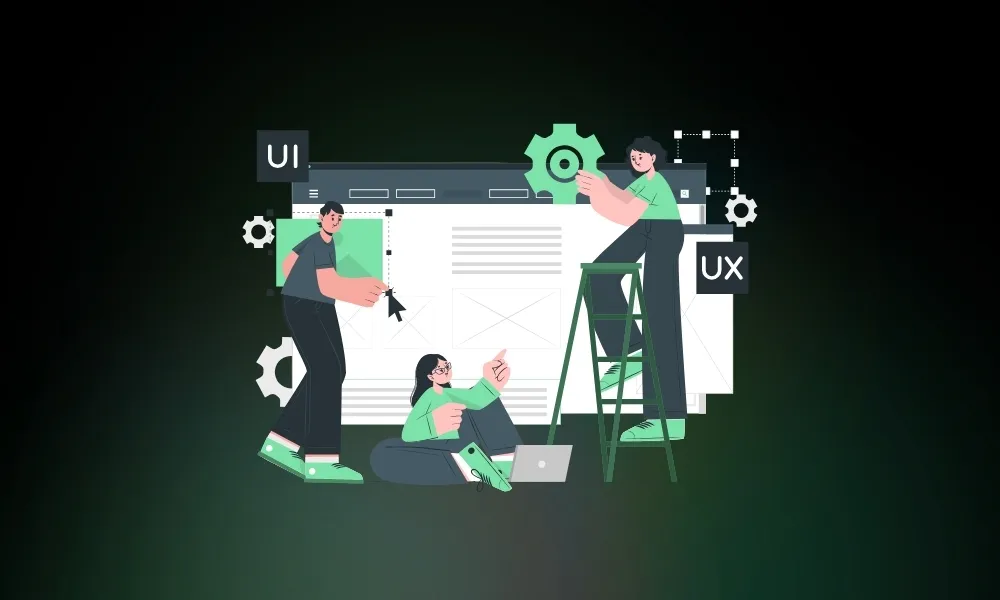
- Design and Intuitive User Experience: If the users struggle to operate the website, there’s no point in using that. This is why the UI/UX design had to be on top of the notch.
- Create an Appealing Visual Design: Use images with higher resolution, write clear and concise descriptions of products, and incorporate transparent FAQ sections to your website. This will convince customers to trust your business.
- Optimize Product Pages: By optimizing product pages, you can rank on the first page of SERP. This will not just highlight your product on the internet, but also get you traffic and increase sales for sure.
- Integrate Secure Payment Gateways: By offering multiple secure payment gateways, you can provide flexibility to your customers and enable them to purchase, giving them options at their fingertips.
- Implement SEO Practices: Incorporate valid seo practices into the website to make it rank high. By ranking, the drive of traffic will increase, and it will be visible to all on the internet. Which ultimately brings profit at the end of the day.
- Focus on Speed and Performance: If the website is sluggish, customers won’t stick to it. This is why the website has to be very fast, with high efficiency.
- Incorporate Marketing Features: Tools like discount pop-ups, social media integration would help your website enormously in terms of marketing the products. Also, you can remind customers of their abandoned cart. This also helps get customers who have already visited the websites or may turn window shoppers into actual buyers.
- Add Trust Elements: Customer reviews and a transparent privacy policy of your company would help enormously to build trust. If you don’t seem trustworthy, customers most likely won’t buy things from you. Here, trust is the key.
- Testing and Launching: Perform beta testing before you launch the website to your audiences. During beta testing, you will be able to find potential bugs. Work on those before you reach the large audience.
How Much Does it Cost to Build an E-commerce Website?
The price ranges from 3000 to 10000 USD. This is the lowest range, to be very honest. In top-tier agencies, they might charge up to 30,000 USD for designing a customized e-commerce website.
| Features / Platforms | Shopify | Custom Coded Site | Wix (Ecommerce Plan) | WooCommerce |
|---|---|---|---|---|
| Initial Setup Cost | $0–$299/month (plans) | $2,000–$20,000+ | $27–$59/month | $100–$600 |
| Hosting | Included | $200–$1,000/year | Included | $50–$300/year |
| Domain Name | $10–$20/year | $10–$20/year | $10–$20/year | $10–$20/year |
| Design/Theme Cost | $0–$350 (free/premium) | $1,000–$5,000+ | Included | $0–$100 (themes) |
| E-commerce Functionality | Built-in | Custom-built | Built-in | WooCommerce plugin |
| Developer Required? | Yes | Yes | Yes | Yes |
| Monthly Maintenance | $0–$50 | $100–$1,000+ | $0–$50 | $20–$200 |
| Transaction Fees | 2.9% + 30¢ (Stripe/Shopify) | Varies (based on gateway) | 2.9% + 30¢ (Stripe/PayPal) | 2.9% + 30¢ (Stripe/PayPal) |
| Scalability | High | Very High | Moderate | High |
| SEO Customization | Moderate | Full control | Moderate | High |
| Best For | Quick setup & ease | Enterprise-grade solutions | Beginners, small stores | Flexible small to medium biz |
Do I Need to Hire an Agency for my E-commerce Website?
If you are skilled enough, making an e-commerce website won’t be so tough for you. On the flip side, hiring an e-commerce website development agency lets you work with professionals and industry experts, which might help your business on a much larger scale. If your goal is big, then going for agencies would be the safest option for you.
What are the Other Types of websites?
Except for e-commerce websites, there are numerous types of websites on the internet. Here’s a list:
- Business websites: If you own a business, then a business website might help you. In such websites, you can showcase your products or services, share previous case studies to convince your prospective clients.
- Blog: Blog websites are often used for personal use. Text-based contents are showcased here. Contents like travel blogs, directories, and listings are the most prominent examples of a blog site.
- Educational websites: Ed-Tech is the future. Here, educational contents are demonstrated. These sites are free more often, and particularly students can access the websites free of cost and learn gradually.
- Portfolio websites: For anyone who provides freelance services, a portfolio website is a lot of help. For featuring past works in one place, a portfolio website serves best.
Conclusion
Building an e-commerce website is not that hard. Going for agencies would help you to get things more clearly and reach your target in no time. Before you even choose an agency, carefully validate all the terms and approach accordingly. Conduct a thorough forecasting before you jump off to build, and never forget to work on the user experience. After the end of the day, your clients are the ones who will fuel you up.


